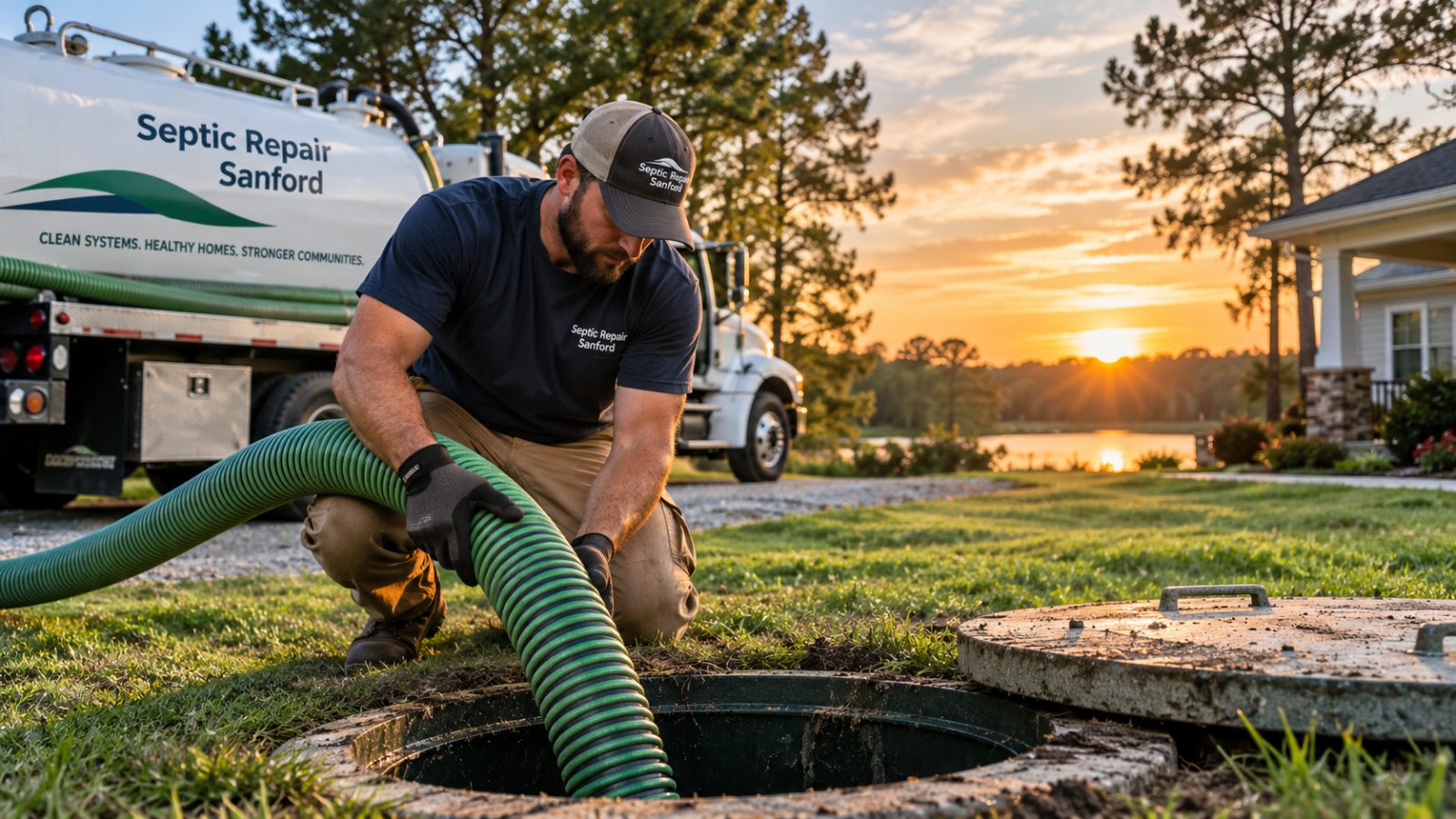
Clear Main Wastewater Blockages
Sewer Line Cleaning in Sanford, NC
Several drains slowing at once? The main sewer line may need attention. Book Now
Clear Main Wastewater Blockages
Several drains slowing at once? The main sewer line may need attention. Book Now
The main sewer line carries wastewater from the building to the septic tank. When that line becomes restricted, the symptoms can look very similar to a full or failing septic system. Toilets may gurgle, low drains may back up, and wastewater may move slowly throughout the house. Because the line and septic system work together, it is important to identify where normal flow is being interrupted.
Septic Repair Sanford provides sewer line cleaning as part of septic-system troubleshooting for properties in Sanford and surrounding communities. We focus on the main wastewater path rather than ordinary sink or tub clogs. If several fixtures are affected, the problem began suddenly, or pumping the tank did not solve the drainage issue, investigating the building sewer can be an important next step.
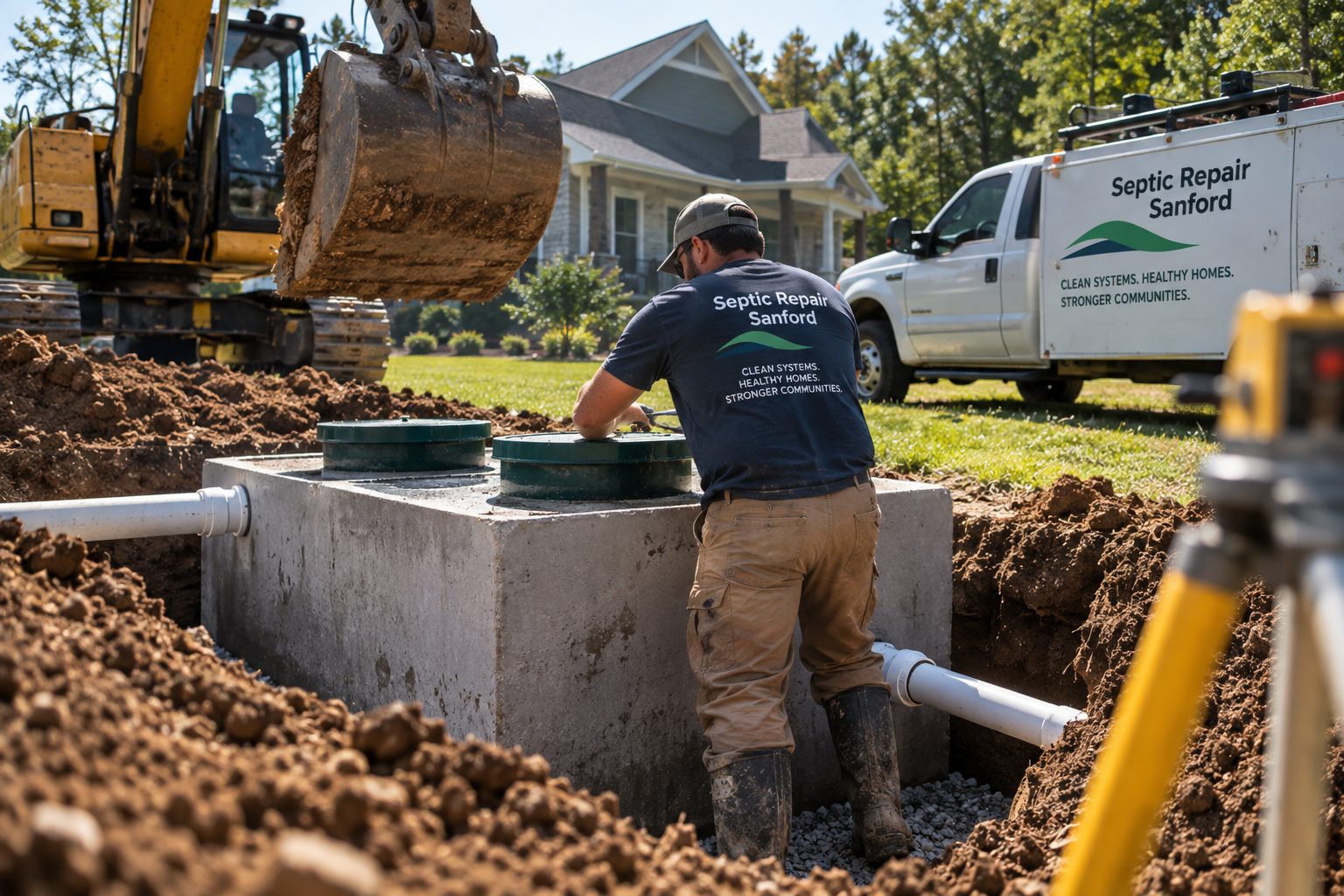
A main sewer line can be affected by accumulated material, roots, foreign objects, pipe damage, settled sections, or other restrictions. Cleaning can restore flow when the problem is a removable blockage, but it cannot permanently correct a broken or severely damaged pipe. That distinction matters. A line that repeatedly clogs may need more than repeated cleaning. We look at the pattern of the problem and, where the condition suggests structural damage, explain why repair or further evaluation may be more useful than continuing to clear the same restriction.
One slow sink often points to a local fixture problem. Several slow fixtures at the same time can indicate a restriction in the main wastewater line or septic system. Toilets are often especially useful indicators because they connect directly to the drainage system and may bubble or gurgle when airflow and wastewater movement are disrupted. We consider whether the septic tank is accepting flow and whether the line between the house and tank appears to be the likely restriction. That helps avoid treating the wrong part of the system.
Material can accumulate in wastewater piping over time, and foreign objects or root intrusion may create localized blockages. Cleaning is intended to remove or break through material that prevents normal wastewater flow. The appropriate method depends on line access and the nature of the restriction. After flow is restored, it is useful to consider why the blockage occurred. A one-time obstruction may not return, while a recurring problem can indicate pipe condition or root issues that deserve attention.
A sewer line that repeatedly blocks in the same location may have a structural problem. Settled piping, damaged joints, root entry, or other defects can catch material and create another restriction after cleaning. In that situation, clearing the line may provide temporary relief without solving the reason it keeps clogging. We explain when a repeated pattern points toward further investigation or repair so customers can decide whether continuing maintenance makes sense.
The main line, septic tank, and drain field form one connected wastewater path. A blockage before the tank can cause backups even if the tank and field are functioning well. Conversely, a downstream septic problem can make a clear building sewer appear slow because wastewater has nowhere to go. Looking at the components together helps determine whether line cleaning is the right service or whether the problem is actually farther into the septic system.
| Service | Estimated Cost | Average |
|---|---|---|
| Main sewer line cleaning | Varies by access and blockage | Estimate based on symptoms and scope |
| Difficult or recurring blockage | Varies by line condition and additional work | Quoted after evaluation |
| Cleaning with septic troubleshooting | Varies by combined diagnostic scope | Estimate according to work needed |
Pricing depends on sewer access, blockage location, severity, equipment needs, and whether the septic system also requires investigation.
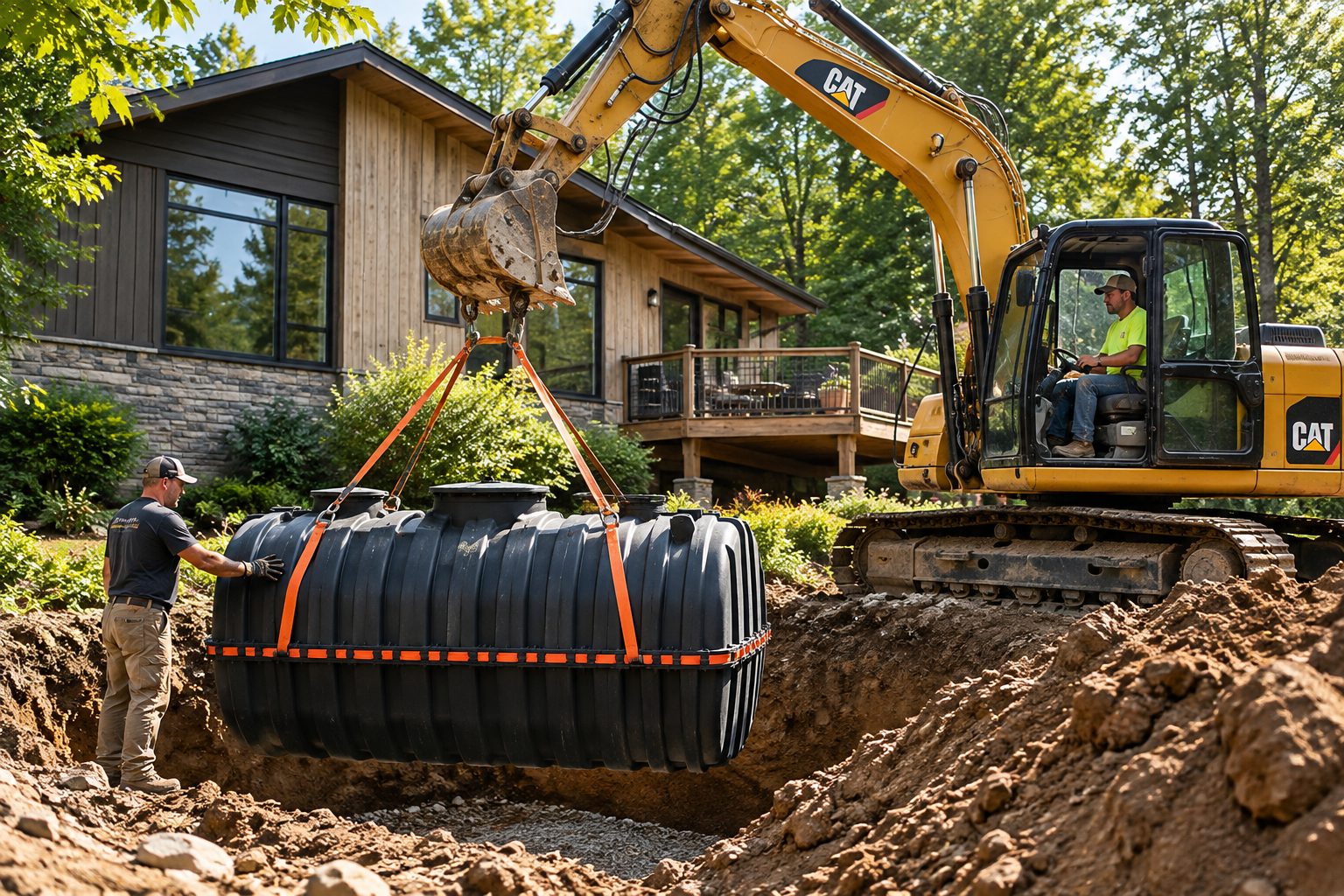
We consider the sewer line and septic system together instead of assuming every backup has the same cause.
Our sewer line cleaning service is aimed at wastewater flow problems affecting the building's connection to the septic system.
If the line repeatedly blocks, we explain why cleaning alone may not be the complete answer.
We tell you whether the evidence points toward line cleaning, septic pumping, or another repair.
If several fixtures are gurgling or backing up together, tell us what is happening before the problem gets worse.
Free — no obligations
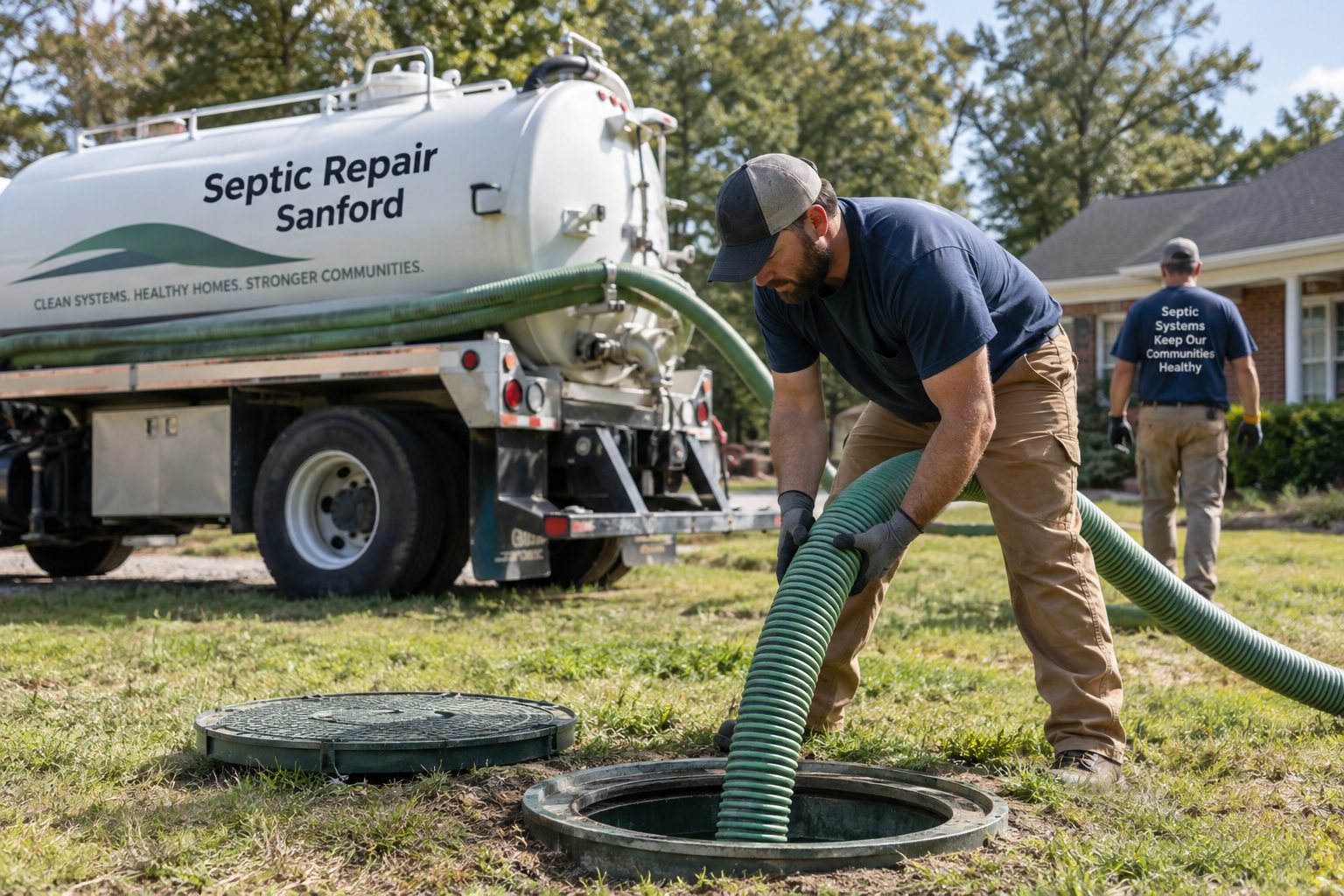
We determine which fixtures are affected and whether the symptoms suggest a main-line restriction.
Where relevant, we determine whether the septic system appears able to receive wastewater normally.
We identify an appropriate access point for addressing the suspected blockage.
The line is cleaned according to the type and location of blockage that can be reached.
If the blockage pattern suggests pipe damage or another underlying condition, we explain what further work may be appropriate.