
Routine Septic Maintenance
Septic Tank Pumping in Sanford, NC
Need your tank pumped or unsure when it was last serviced? Book Now
Routine Septic Maintenance
Need your tank pumped or unsure when it was last serviced? Book Now
Septic tank pumping removes the solids and sludge that stay behind while wastewater moves through the system. Over time, those materials accumulate and reduce the tank's working capacity. If too much material is allowed to build up, solids can interfere with normal treatment, contribute to backups, or move farther into the system where they may create more difficult problems.
Pumping is useful both as routine maintenance and as part of troubleshooting a septic problem. If toilets are slow, several drains are gurgling, sewage is backing up, or you do not know when the tank was last pumped, the tank is an important place to check. Pumping does not fix every septic problem, however. If symptoms return quickly after service, there may be a blockage, damaged component, drainage issue, or drain field concern that deserves additional inspection.
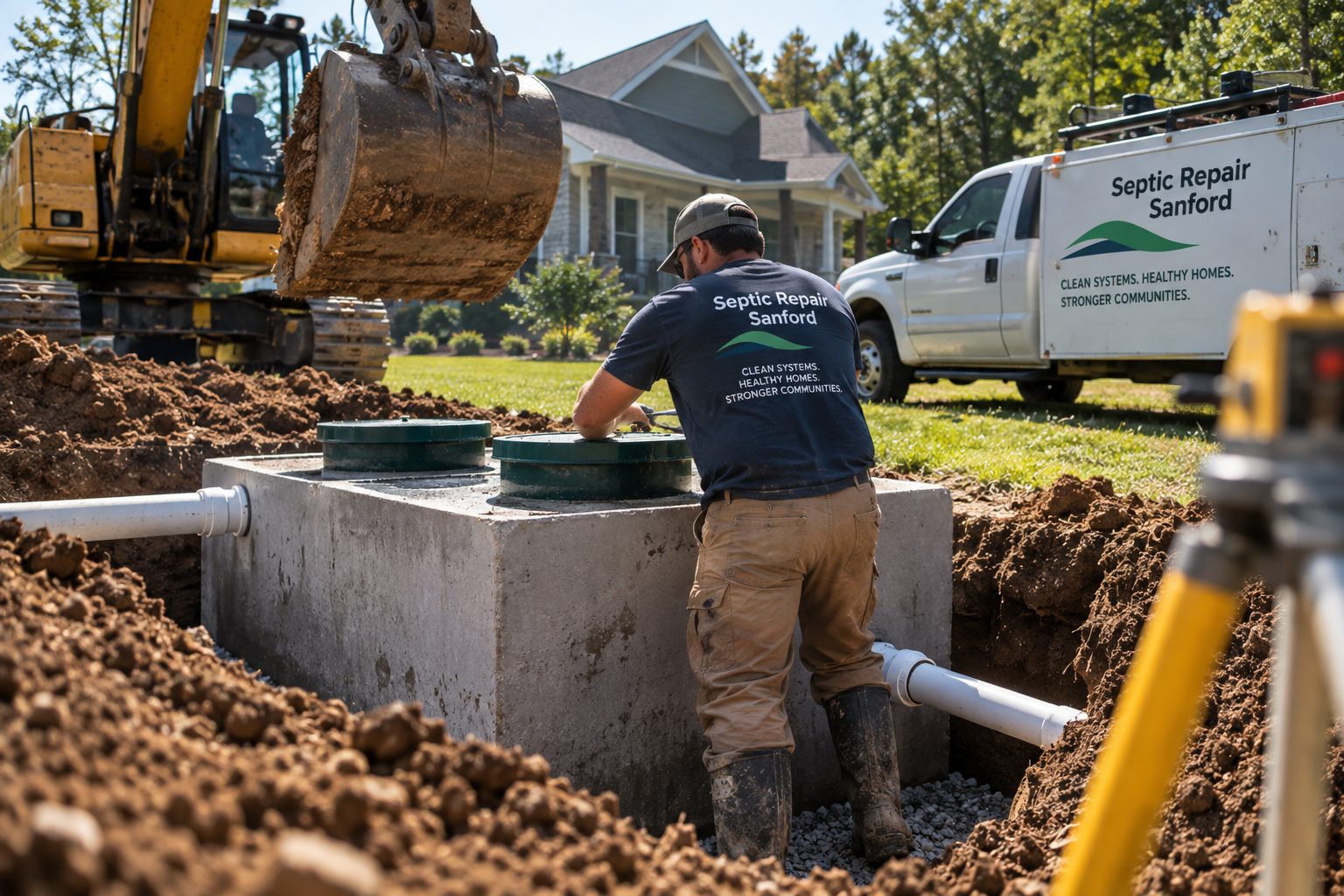
The goal of pumping is to remove accumulated liquid, sludge, and floating solids from the septic tank so the system has room to operate as intended. Before service, the tank must be located and accessible. Depending on the property, access may be through exposed risers or buried lids. We also pay attention to what the tank condition and wastewater level can tell us about the rest of the system. An unusually high level, evidence of backflow, damaged components, or rapid refilling can point to a concern beyond ordinary maintenance. That is why we treat pumping as more than simply emptying a container. It is an opportunity to notice conditions that may affect system performance and explain them to the property owner.
Regular pumping helps control the solids that naturally collect in a septic tank. The right interval varies according to household size, tank capacity, water use, and what enters the system, so we avoid treating one schedule as right for every property. If you have maintenance records, they can help establish a pattern. If you do not know the service history, checking the tank condition is a practical starting point. Routine service is especially useful before the system starts showing obvious distress. Waiting for a backup means the tank or another part of the system may already be under strain. Keeping up with pumping can also make future troubleshooting easier because you have a clearer history of how the system has been maintained.
When multiple household drains slow down together or sewage begins to back up, a full septic tank may be involved. Pumping can relieve a tank that has reached its working capacity, but it is important not to assume the tank is the only cause. A blocked sewer line, outlet problem, damaged pipe, or overloaded drain field can produce similar symptoms. We pay attention to how the system behaves during service. If wastewater continues returning to the tank or if conditions suggest a downstream restriction, we can explain why additional troubleshooting may be appropriate rather than presenting pumping as a permanent repair.
Some septic tanks have easy-to-find risers while others were installed with lids below grade. Locating access carefully matters because unnecessary digging can disturb landscaping and still fail to reach the correct part of the tank. Property records, visible system clues, and the path of the building sewer can all help narrow the search. Once access is established, property owners may choose to make future maintenance easier by considering appropriate access improvements when practical. We can explain what we find at the site without inventing a one-size-fits-all recommendation.
Pumping creates an opportunity to notice visible conditions inside and around the tank. Damaged lids, deteriorated components, unusual wastewater levels, signs of infiltration, or problems at inlet and outlet areas may warrant attention. Not every visible issue requires immediate replacement, but it is useful to know what is present. Our goal is to separate normal maintenance from conditions that may need repair or further evaluation. When something looks unusual, we explain what was observed and what the next step could involve.
| Service | Estimated Cost | Average |
|---|---|---|
| Standard septic tank pumping | Varies by tank size, access, and disposal requirements | Estimate after property details are reviewed |
| Buried tank access | Varies with depth and site conditions | Quoted according to access work needed |
| Pumping with additional troubleshooting | Varies with symptoms and diagnostic work | Estimate based on scope |
Septic service pricing depends on tank capacity, accessibility, waste volume, site conditions, travel, and whether additional troubleshooting or excavation is needed. Request an estimate for your property rather than relying on a generic price.

We do not treat every pumping call as identical. We consider why you are pumping and whether the system has been showing warning signs.
Tank location and lid access can affect the work. We approach buried components carefully and explain access concerns before unnecessary disturbance.
When visible conditions suggest something beyond ordinary solids buildup, we tell you what we see and what may deserve further evaluation.
We provide septic pumping for Sanford and nearby communities where private septic systems are common.
If your tank is overdue, drains are slowing down, or you simply want to establish a maintenance baseline, request septic pumping service.
Free — no obligations
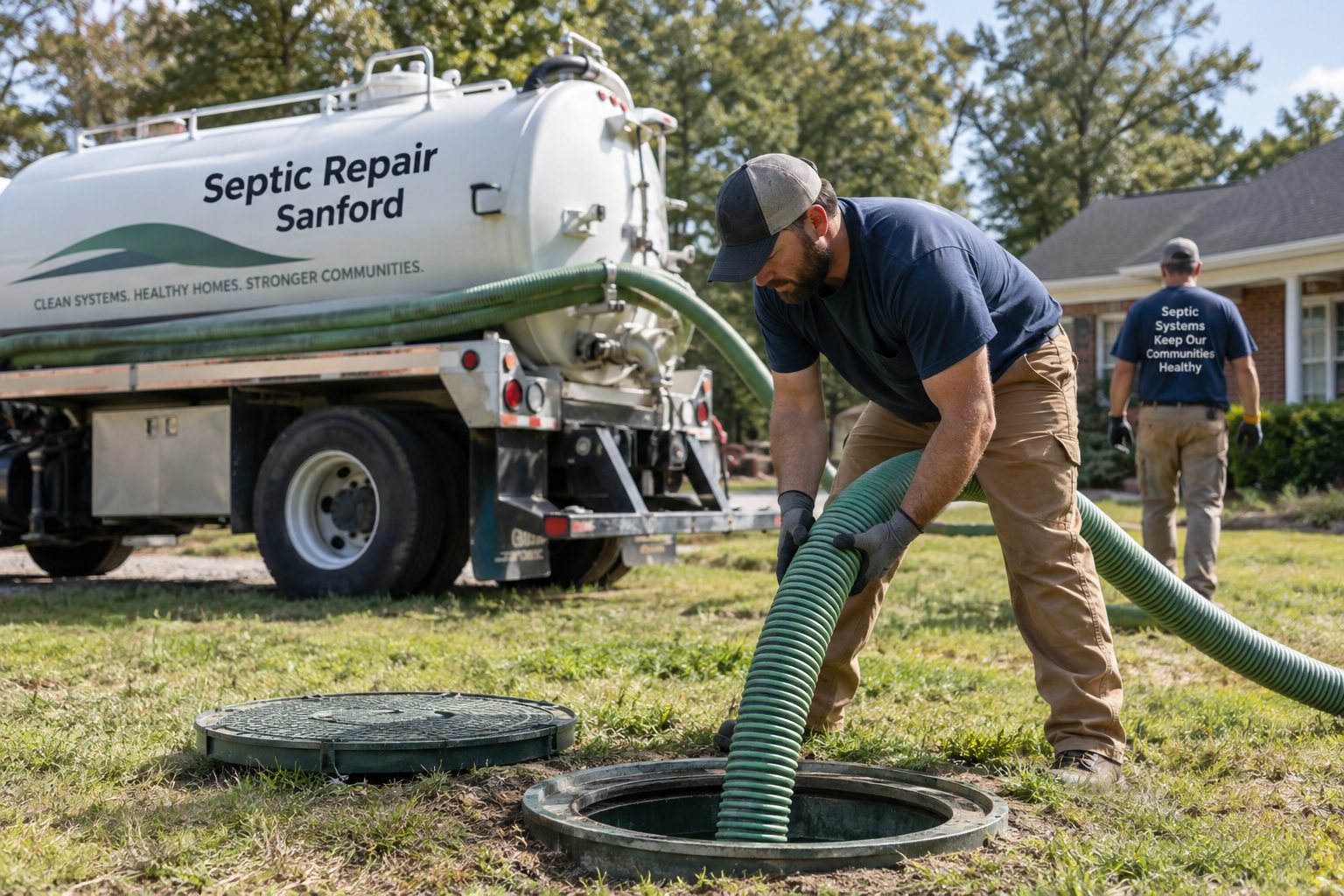
Share your location, what symptoms you have noticed, and anything you know about the tank location, size, or last service.
We identify the appropriate access point and determine what is required to open the tank safely.
Liquid and accumulated solids are removed from the tank so its working capacity is restored.
We note obvious conditions that may affect performance and explain whether anything appears to need further attention.
We discuss the service history and practical considerations that may help you decide when the system should be checked again.