
Septic Field Troubleshooting
Drain Field Repair in Sanford, NC
Wet ground or sewage odors near your septic field? Request an evaluation. Book Now
Septic Field Troubleshooting
Wet ground or sewage odors near your septic field? Request an evaluation. Book Now
The drain field is responsible for receiving septic effluent and allowing the soil to treat and disperse it. When that process is disrupted, wastewater may move slowly through the system, keep the septic tank unusually full, create odors, produce wet areas in the yard, or eventually contribute to sewage backing up into the building.
Drain field problems need careful diagnosis because not every wet patch means the entire field has failed. Broken piping, distribution issues, saturated ground, surface runoff, excessive water use, root intrusion, or long-term soil loading can produce different versions of the same complaint. Septic Repair Sanford evaluates the symptoms and site conditions before recommending repair work so the scope matches the actual problem as closely as possible.
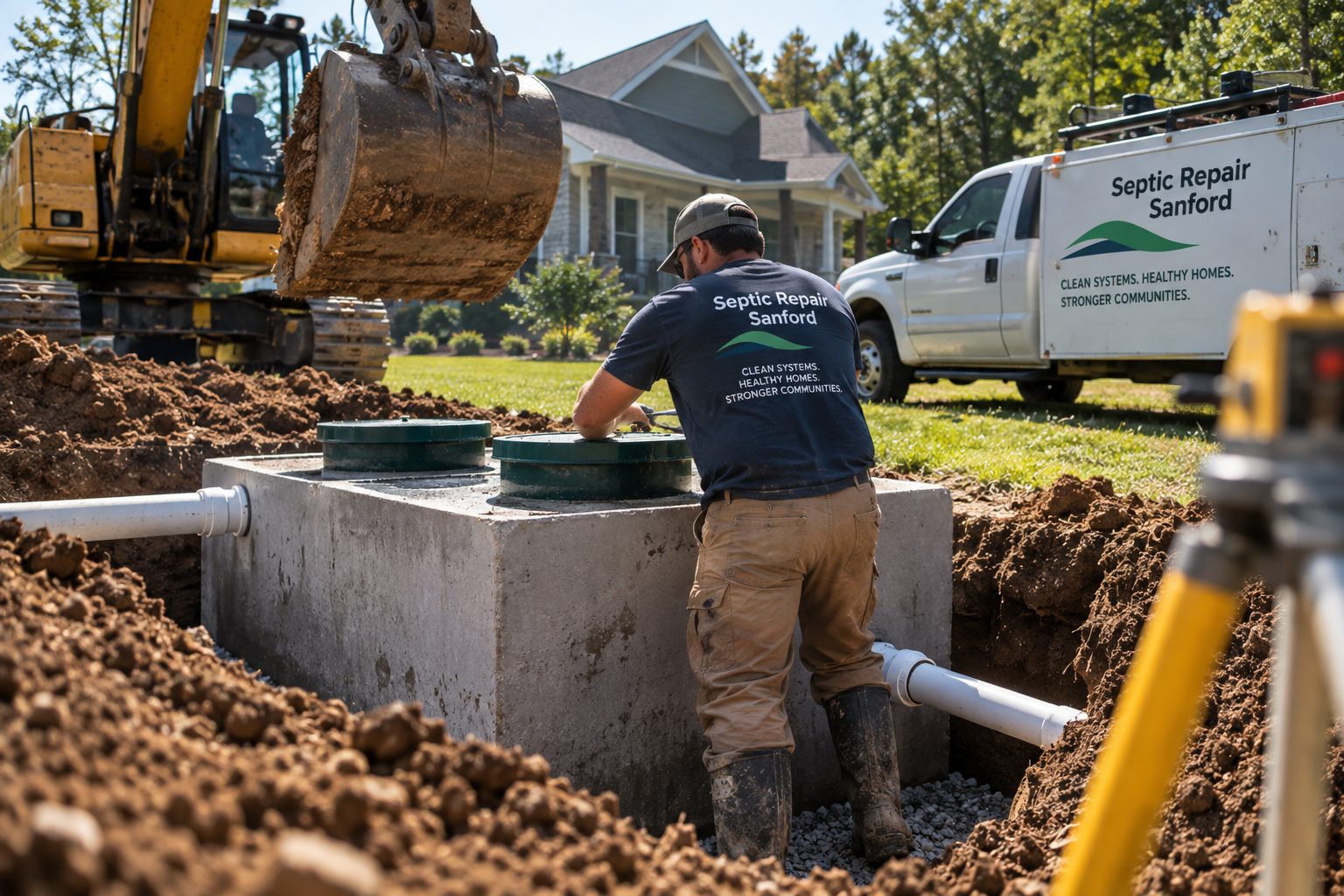
A drain field works below ground, which means the most useful clues are often indirect. We pay attention to where wetness appears, whether wastewater is surfacing, how the septic tank level behaves, whether the problem changes after rainfall, and whether household drainage slows during heavy water use. The condition of distribution piping and other accessible components may also matter. Some repairs can focus on a damaged or restricted part of the system. Other situations involve a field that has lost enough treatment or dispersal capacity to require a broader solution. We avoid promising that one repair method fits every failing field. Instead, we explain what the observed conditions suggest and what level of work appears reasonable.
Persistent wetness over a septic treatment area deserves attention, especially when it is accompanied by odor, unusually green grass, or visible wastewater. The first question is whether the moisture is actually coming from the septic system. Rain runoff, poor grading, groundwater, leaking water lines, and other drainage problems can sometimes affect the same area. If septic effluent is contributing to the wetness, we look for evidence that explains why wastewater is not dispersing normally. That may include hydraulic overloading, a distribution problem, damaged piping, or a field that is struggling to accept flow.
Wastewater must reach the treatment area through piping and distribution components. If those components become damaged, displaced, blocked, or uneven, part of the field may receive more flow than intended while another part receives too little. Localized saturation can sometimes point toward this kind of issue. Repair may involve accessing and correcting the affected component rather than assuming every part of the drain field needs replacement. The appropriate scope depends on what can be confirmed at the site.
A septic field can be stressed when more wastewater reaches it than the soil can accept. High household water use, plumbing leaks, rapid laundry cycles, groundwater, or heavy rainfall may contribute. Reducing unnecessary flow can help protect the system, but it does not reverse every underlying failure. We consider whether the symptoms appear temporary, recurring, or progressively worse. That distinction helps determine whether operational changes, targeted repair, or broader field work should be considered.
When a drain field has suffered substantial loss of function, targeted repairs may not provide a dependable long-term solution. In those cases, the property may need a larger repair or replacement plan based on the site and applicable requirements. The available area, existing system layout, soil conditions, structures, and property use can all affect what is possible. We explain when the evidence points beyond a minor repair and help customers understand why a larger solution may be necessary.
| Service | Estimated Cost | Average |
|---|---|---|
| Localized drain field repair | Varies by damaged component and excavation | Estimate after diagnosis |
| Distribution or piping repair | Varies by location, access, and repair scope | Estimate based on findings |
| Major field repair or replacement | Varies by site requirements and approved solution | Project-specific estimate |
Drain field costs depend on the cause of failure and how much of the system needs work. Site conditions, excavation, piping, soil treatment area, and applicable project requirements can all affect pricing.
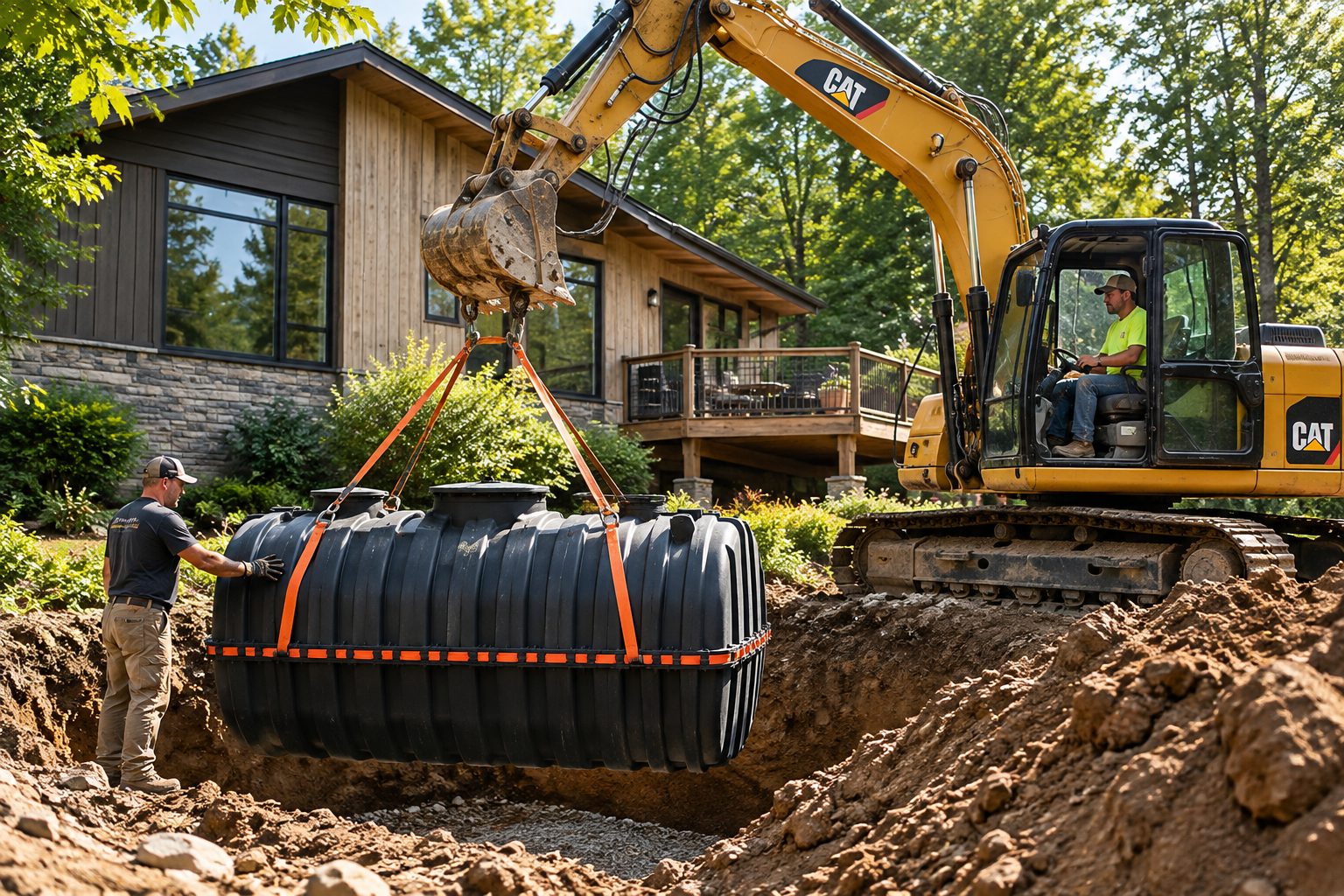
A wet yard or slow system needs diagnosis. We look for targeted causes before treating the entire field as unusable.
Rain, drainage, soil saturation, landscaping, and household water use can all influence drain field symptoms.
We distinguish between localized component work and situations that appear to need a larger field solution.
The goal is not merely to hide a symptom but to address the condition affecting wastewater treatment and dispersal.
Do not ignore persistent wetness, sewage odors, or surfacing wastewater around a drain field. Tell us what you are seeing.
Free — no obligations
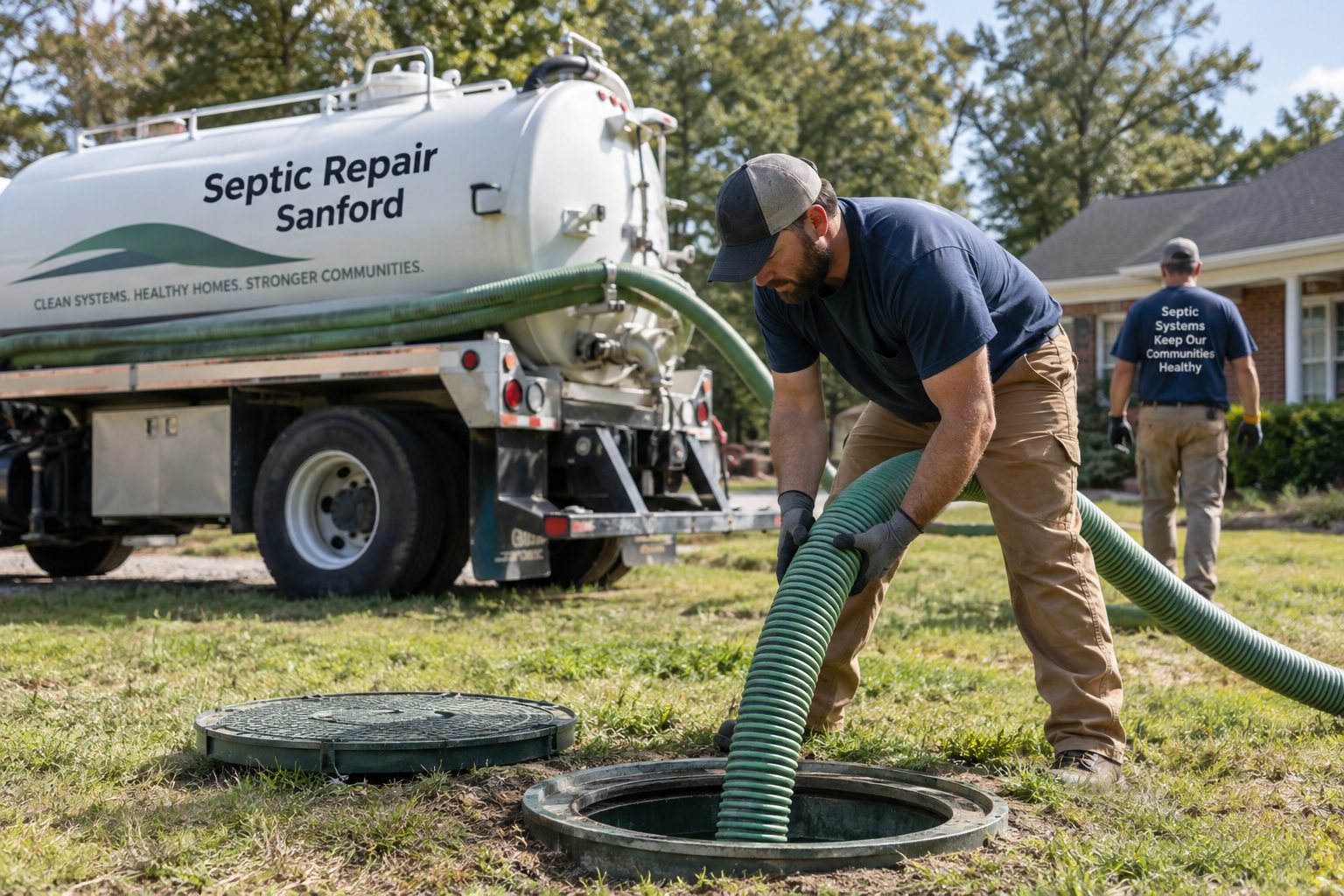
We identify where the problem appears, how long it has been happening, and whether rainfall or water use changes it.
We consider tank levels, piping, distribution, and accessible system conditions that may point toward the source.
We look for saturation, surfacing wastewater, uneven loading, or other warning signs around the field.
We explain whether the problem appears localized or whether a broader drain field solution should be considered.
The agreed repair is completed with attention to excavation, system function, and the surrounding property.